NYC Construction Site Safety: Preventing Worker Injuries During Fall Weather
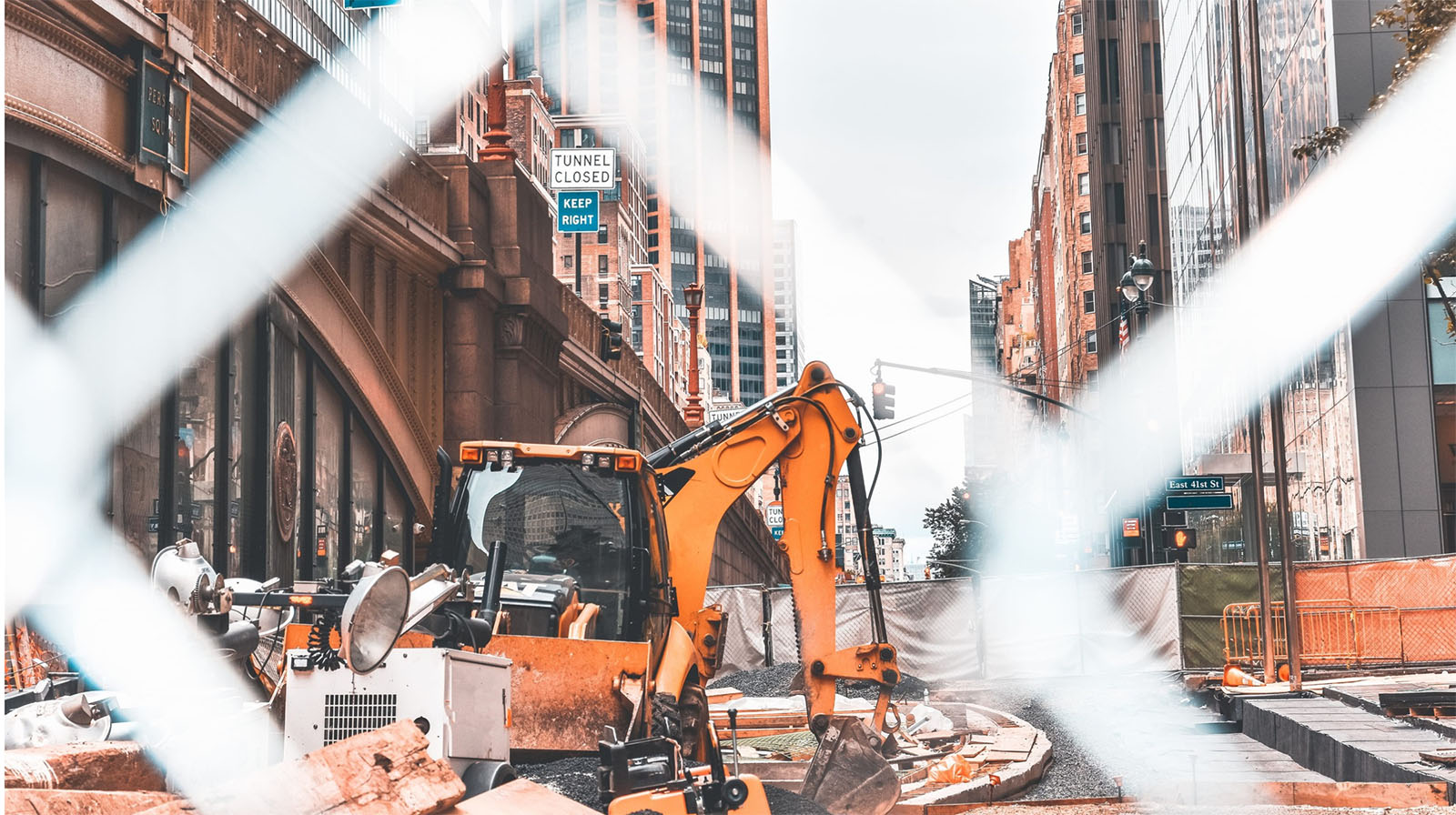
As temperatures drop and daylight hours shorten, autumn weather can create new hazards on New York City construction sites. Rain, wet leaves, strong winds, and early-morning frost can make navigating job sites more hazardous, adding to the risks workers already face in a busy metropolitan environment.
These changing conditions can increase the risk of slips and falls, equipment-related accidents, and other serious workplace injuries. For construction workers who regularly work at heights, operate heavy machinery, or handle hazardous materials, recognizing seasonal risks is key to staying safe on the job.
Understanding these autumn hazards can help workers and contractors prevent accidents and keep worksites safer. Here are some of the key risks to watch for this fall.
Common Fall Weather Hazards on New York City Construction Sites
Autumn weather can change quickly, requiring construction crews to stay alert throughout the workday. Some of the most common seasonal hazards include:
- Slippery surfaces from rain and fallen leaves
- Frost on ladders and scaffolding
- Strong winds and flying debris
- Poor visibility during shorter days
- Cold temperatures affecting grip and coordination
If these conditions aren’t properly addressed, construction workers face an increased risk of preventable accidents.
Wet Leaves and Rain Create Dangerous Walking Surfaces
Rainfall and accumulated leaves can make construction site walkways, stairs, ladders, scaffolding, and metal platforms dangerously slippery. Workers carrying tools, materials, or equipment may struggle to maintain their balance on wet or obstructed surfaces, increasing the risk of:
- Slips and falls on wet walkways
- Falls from ladders and scaffolding
- Injuries caused by uneven or muddy ground
- Trips over debris hidden beneath fallen leaves
- Falls while carrying tools or construction materials
Regular inspections, proper drainage, and prompt debris removal can help reduce these risks. Employers and contractors should also address unsafe access routes and ensure workers have appropriate equipment for the conditions.
Early Frost and Freezing Temperatures Increase Fall Risks
Although winter is still weeks away, overnight temperatures can drop low enough for frost to form on ladders, scaffolding, roofs, and other elevated surfaces. This often hard-to-see ice can increase the risk of slips and falls on construction sites.
Cold temperatures can also reduce workers’ dexterity, making it harder to grip tools and handle materials safely. Supervisors should inspect job sites before work begins, address icy surfaces, and provide appropriate footwear and protective equipment to help prevent injuries.
In fall, some days can reach winter temperatures. When this happens, OSHA recommends following Cold Stress Prevention methods to help keep workers safe.
Strong Winds Endanger Workers at Heights
Autumn in New York City can bring heavy rain, thunderstorms, strong winds, and occasional coastal storms. These weather events can create hazardous conditions on construction sites, especially for workers doing steel erection, roofing, and other exterior work at heights.
Potential hazards include:
- Construction materials becoming airborne
- Workers losing their balance on elevated platforms
- Unsecured materials shifting or falling
- Crane and hoisting operations becoming unsafe
- Temporary structures or protective barriers being compromised
Wind-related hazards require careful planning and attention to weather conditions. Contractors should follow applicable equipment operating limits, secure materials, and suspend affected work when conditions become unsafe.
The NYC Department of Buildings advises contractors and property owners to take precautions during severe weather, including securing loose materials and construction equipment to help protect workers and the public.
Shorter Daylight Hours Reduce Visibility
As autumn progresses, the days become shorter. Construction workers arriving before sunrise or finishing after sunset may spend more time working in low-light conditions.
Reduced visibility can make it harder for workers to identify hazards, see approaching vehicles, and communicate with equipment operators. These risks are especially significant at New York City construction sites near busy streets, sidewalks, and active traffic lanes.
Poor lighting may contribute to accidents involving:
- Moving construction vehicles and heavy equipment
- Trips over debris, tools, and uneven surfaces
- Falls near unprotected edges or floor openings
- Workers being struck by vehicles or moving materials
Adequate lighting, reflective clothing, clearly marked walkways, and effective traffic-control measures can help improve visibility. Construction companies should also reassess lighting needs as daylight hours change.
Cold Weather Affects Worker Safety and Performance
Falling temperatures can create challenges beyond slippery surfaces. Construction workers exposed to cold conditions for extended periods may experience discomfort, fatigue, numbness, and reduced coordination.
These effects can interfere with tasks that require a firm grip, precise movements, or quick reactions. Workers handling power tools, operating machinery, or performing work at heights may face additional risks when cold conditions affect their ability to perform tasks safely.
Employers should consider weather conditions when planning outdoor work, provide appropriate protective equipment, and ensure workers have access to suitable warm-up areas when needed. Supervisors should also watch for signs of cold stress and respond appropriately when workers show symptoms.
Preventing Weather-Related Construction Accidents
Construction employers and other responsible parties must take steps to identify and address hazards as weather conditions change.
Depending on the work being performed and the conditions present, safety measures may include:
- Inspecting scaffolding, ladders, walkways, and elevated platforms
- Clearing fallen leaves, debris, snow, and ice from work areas
- Treating slippery surfaces to reduce fall risks
- Providing adequate lighting during shorter days
- Securing materials and monitoring high winds
- Providing proper cold-weather clothing and protective equipment
- Training workers to recognize and report weather hazards
- Suspending work when severe weather makes conditions unsafe
Weather conditions are not always predictable, but many associated hazards can be anticipated. Regular inspections and appropriate safety procedures can help reduce the risk of serious construction accidents.
Construction Companies Have a Duty to Maintain Safe Worksites
In New York City, property owners must maintain safe properties, and construction employers must follow OSHA safety requirements as weather conditions change. These include inspecting job sites and addressing dangerous conditions. OSHA generally prohibits working on slippery scaffolds, except to remove hazards, and restricts scaffold work during storms or high winds unless specific safety conditions are met.
When hazardous weather contributes to a construction accident, an investigation may determine whether workers violated applicable safety requirements. Depending on the circumstances, injured workers may have legal options beyond workers’ compensation, including potential claims under New York Labor Law.
Pazer, Epstein, Jaffe, Fein & Gozenput Are NYC Construction Accident Attorneys
Fall construction hazards can lead to serious injuries, including fractures, head injuries, spinal cord injuries, and other life-changing harm. When an accident occurs because of unsafe working conditions, injured construction workers may have legal options available.
At the law firm of Pazer, Epstein, Jaffe, Fein & Gozenput, P.C., we have been fighting for New York City workers and victims of construction accidents for over 60 years. If you or a loved one has been seriously injured on a construction worksite, contact one of our attorneys for a free consultation through our online form or call 212-227-1212.
Related Posts
Categories